

“We help children with developmental challenges move, learn, and communicate to become more confident, independent and live their best lives!”
Effective Feeding Therapy for Children
Mealtime shouldn’t feel like a battle. Feeding challenges can be stressful for kids and their families, especially when picky eating, chewing difficulties, or texture sensitivities start to affect health and daily life. That’s where feeding therapy at Kid PT comes in.
Our specialized strategies help children build safe, effective eating habits so mealtimes can feel calmer and more enjoyable. At our Raritan, NJ clinic, feeding therapy is primarily provided by our speech therapists, with support from occupational therapists for sensory and regulation skills, and physical therapists to improve posture and stability at the table.
Understanding Pediatric Feeding Therapy
Who It Helps
While it’s common for kids to go through phases of picky eating, some children experience bigger challenges that make eating difficult. These challenges may be connected to medical conditions, developmental delays, or sensory processing differences.
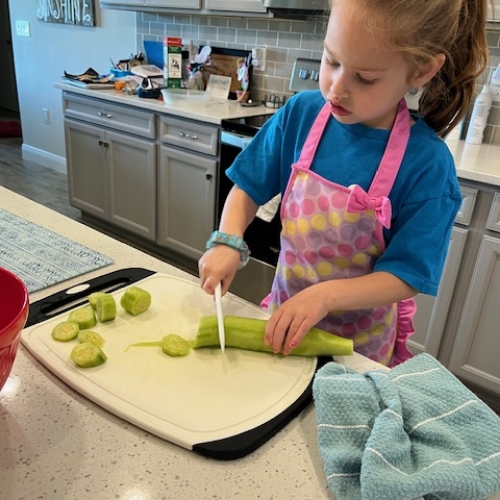
Your child might benefit from feeding therapy if you’ve noticed:
- Stress or anxiety around meals
- Gagging or choking while eating
- Refusing entire food groups or specific textures
- Difficulty progressing to solid foods or reliance on purees beyond toddler years
- Trouble participating in mealtime routines (e.g., using utensils or sitting at the table)
How It Works
Feeding therapy is not about forcing a child to eat—it’s about helping them feel safe, capable, and confident during meals. We follow three key steps:
- Identify the root cause. Some children have oral motor delays affecting chewing or swallowing muscles, others have sensory sensitivities, and some have underlying medical concerns.
- Create a personalized plan. Our therapists use evidence-based techniques tailored to your child’s needs and age.
- Support progress in therapy sessions. For younger children, this might mean playful food exploration and sensory games. For older kids, it may involve chewing practice, utensil use, and guided food trials in a supportive setting.
Key Feeding Therapy Techniques
Our team uses a range of evidence-based methods to help children grow more confident with food:
SOS (Sequential Oral Sensory) Approach
A play-based, step-by-step method that gradually builds comfort with food through sensory-focused experiences.
Food Chaining
Expands a child’s diet by introducing new foods that are similar to those they already enjoy—so they can try new things without pressure.
Sensory Desensitization
Gently introduces textures, smells, and temperatures—so mealtimes feel less overwhelming and more positive.
Oral Motor Exercises
Strengthens the muscles needed for chewing and swallowing—so your child can eat safely and comfortably.
Structured Mealtime Routines
Establishes consistency and clear expectations—so children feel secure and families can enjoy calmer mealtimes.
Modeling Positive Mealtime Behaviors
Children often learn by example. Watching others eat a variety of foods encourages them to do the same in a low-pressure way.
Support Your Child’s Mealtime Confidence
Feeding difficulties can affect nutrition, growth, and family life—but progress is possible with the right support. Our pediatric therapy team at Kid PT is here to help your child feel more confident at the table and develop healthier eating habits for life.
If you’re ready to make mealtimes less stressful, contact us at Kid PT today to learn how feeding therapy can help your child.