
Feeding Development: Growing Confident, Independent Eaters
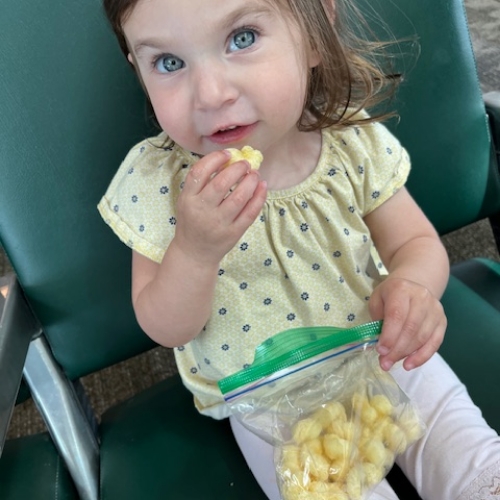

Helping your child eat isn’t just about what’s on their plate — it’s about skill-building, connection, sensory exploration, and self-confidence. Feeding develops step by step, and understanding typical milestones can help you support your child’s growth (and stress less about picky eating or messy meals).
These milestones follow guidance from the American Speech-Language-Hearing Association (ASHA). Every child develops at their own pace, so use these as general guidelines, not strict rules.
⭐ Feeding Development Milestones
Birth to 6 Months
- Turns toward the nipple or bottle and opens mouth
- Sucks and swallows smoothly
- Brings hands and toys to mouth around 4–6 months
- Begins eating smooth purees around 6 months
At this stage, feeding is largely reflexive and focused on early sensory and oral-motor experiences.
6 to 12 Months
- Opens mouth for the spoon
- Uses tongue to move food to the back of the mouth for swallowing
- Reaches for food and begins self-feeding
- Eats soft, small pieces of food
- Begins chewing — babies can mash foods with their gums even before teeth appear
- Drinks from a cup with help
This is a period of rapid sensory exploration, playful mess-making, and expanding tastes and textures.
12 to 24 Months
- Chews on both sides of the mouth
- Moves food from side to side with the tongue
- Uses a spoon and cup with fewer spills
- Tries more textures and begins eating more family foods
Toddlers build independence during this stage as coordination, oral-motor skills, and curiosity grow.
2 Years and Beyond
By age two, most children can:
- Handle a wide variety of textures
- Chew crunchy, chewy, mixed, and more challenging foods
- Feed themselves with a fork and spoon (and sometimes fingers!)
- Enjoy most family foods without gagging or choking
Parents should still avoid common choking hazards such as popcorn, whole grapes, hot dogs, and large chunks of raw vegetables. Continue cutting foods into small, safe pieces.
It’s normal for toddlers to become picky as they develop independence. Keeping mealtimes positive, pressure-free, and predictable is key.
🥦 Tips for Picky Eaters
Teach Hunger and Fullness Cues
Help your child recognize signals of hunger and satiety. This supports healthy eating habits and promotes a positive lifelong relationship with food.
Cook Together
Involve your child in simple, safe kitchen tasks to expose them to smells, textures, and tastes. They can:
- Pour, mix, and stir
- Wash fruits and vegetables
- Tear lettuce or herbs
- Use kid-safe knives to cut soft foods like bananas, cheese, or cooked veggies
This hands-on sensory play often leads to more adventurous eating.
Create a Positive Mealtime Routine
- Eat together as a family when possible
- Model healthy eating
- Turn off screens and limit distractions
- Offer meals and snacks on a predictable schedule
- Avoid grazing between meals
Routine helps build appetite and reduces mealtime battles.
Keep Offering New Foods
Children often need 10 or more exposures before accepting a new food. Offer without pressure. Present new tastes, textures, and colors alongside familiar foods, even if your child doesn’t eat them right away.
Offer Familiar Foods in New Ways
Encourage food flexibility by presenting favorites in fun or varied forms:
- Change pasta shapes
- Cut sandwiches into stars or triangles
- Offer drinks in different cups
- Try foods cooked in different ways (raw vs. baked apples, roasted vs. steamed veggies)
- Add dips or mix foods into other dishes
Small changes build confidence and reduce food rigidity.
Keep Pressure Low
Encourage trying foods, but avoid bribing, forcing, or negotiating bites. Pressure often leads to increased refusal and stress.
Embrace the Mess!
Messy eating is essential for sensory learning. Let your child:
- Touch
- Squish
- Smear
- Stack
- Explore food textures
These experiences reduce food anxiety and build comfort with new textures.
🚨 When to Seek Help
Picky eating is common, but some children experience challenges that make feeding stressful or difficult. Early intervention can greatly improve mealtime success.
Your child may benefit from feeding therapy if you’ve noticed:
- Stress, fear, or anxiety around meals
- Gagging or choking while eating
- Refusal of entire food groups (e.g., all meats, all vegetables)
- Avoidance of certain textures
- Difficulty tolerating food near them or seeing others eat it
- Challenges progressing to solid foods
- Reliance on purees beyond toddler years
- Not gaining weight or growing as expected
💛 Supporting a Lifelong Healthy Relationship With Food
Feeding is a learned skill — just like walking, talking, or playing. With patience, variety, and a positive, low-pressure approach, your child can develop confidence, curiosity, and independence at mealtimes.
Every child can become a confident, happy eater — and we’re here to help.
Start with a free Discovery Visit to talk with a feeding therapist and get a clear plan forward.