
“We help children with developmental challenges move, learn, and communicate to become more confident, independent and live their best lives!”
Helping Your Child Eat with Confidence and Ease
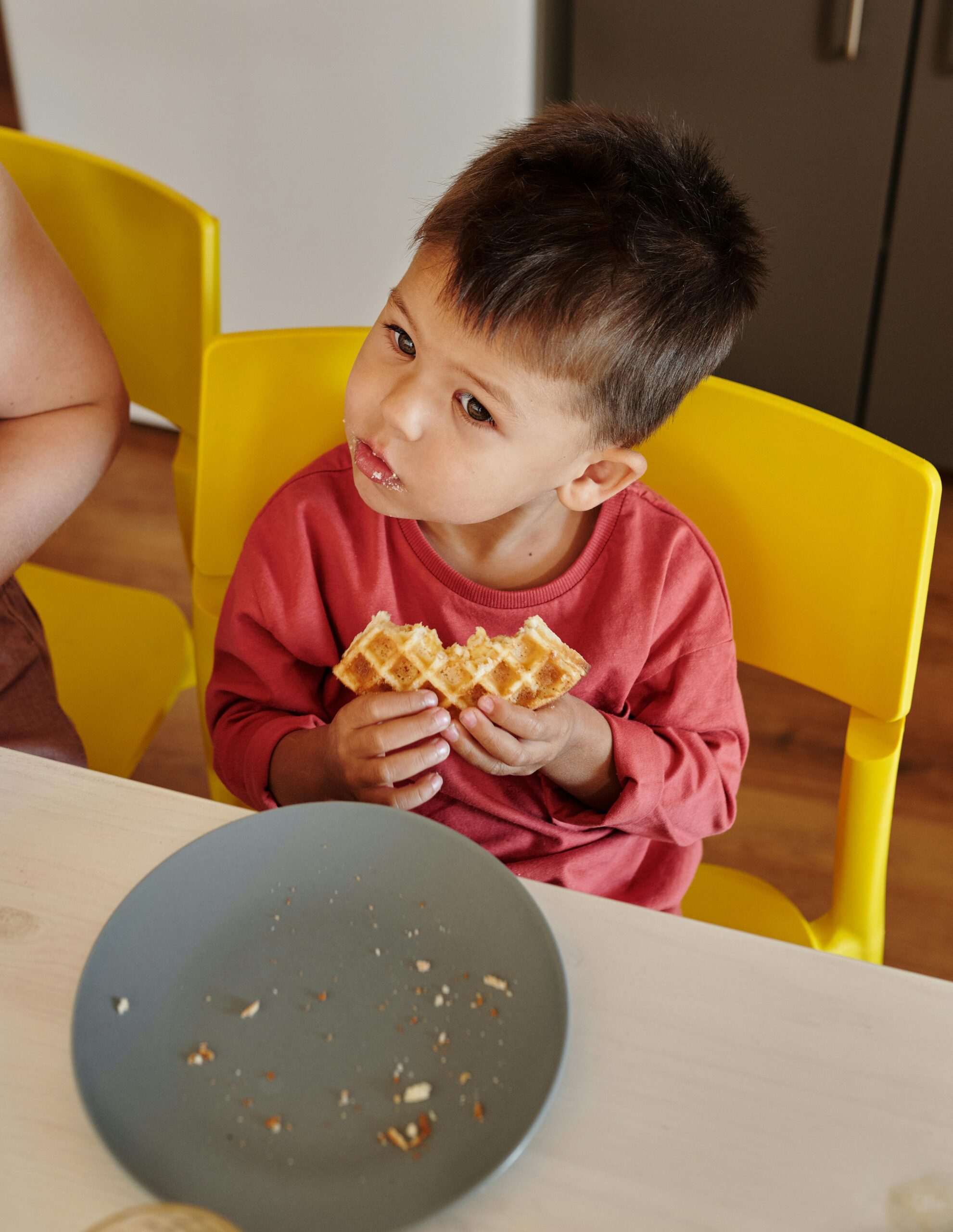
Mealtimes should feel calm, connected, and even enjoyable, but for some families, they become a source of stress and worry. If your child has difficulty chewing, swallowing, or trying new foods, you may feel unsure of what to do next. For families seeking support with feeding skills in Raritan, NJ, (https://kidpt.com/pediatric-therapy-clinic/pediatric-therapy-raritan-nj/) speech therapy at Kid PT can help your child feel safe and successful during meals.
What are Oral Motor Skills?
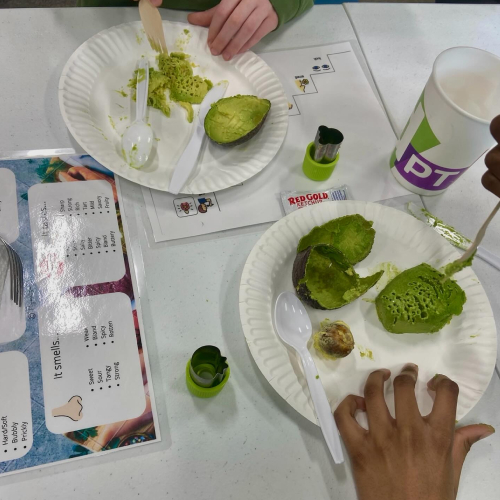
Oral motor skills involve the strength, coordination, and movement of the lips, tongue, jaw, and cheeks. These muscles work together to support essential tasks such as biting, chewing, swallowing, and managing different food textures.
When oral motor skills are not developing as expected, children may have difficulty breaking down food, moving it safely in their mouth, or swallowing effectively. Some children may avoid certain textures, struggle with chewing, or take a long time to finish meals. Others may rely on a limited range of foods because eating feels challenging or uncomfortable.
These difficulties can be related to several underlying issues, including:
- Muscle weakness
- Poor coordination
- Sensory sensitivities
- Developmental differences

How Feeding Challenges Affect Everyday Life
Feeding is a key part of daily routines, social interaction, and family connection. When a child struggles with oral motor skills, mealtimes can become stressful for both the child and the family.
Children may feel anxious when presented with new or challenging foods. They may refuse to eat, gag, or become overwhelmed during meals. This can impact their ability to get the nutrition they need, as well as their participation in family meals, school lunches, or social events involving food.
Over time, these challenges can lead to limited food variety, mealtime battles, and increased frustration. Supporting oral motor development helps children feel more confident, comfortable, and successful with eating.
Common Signs of Oral Motor and Feeding Difficulties
- Difficulty biting into foods or managing age-appropriate textures
- Limited chewing skills or reliance on soft or pureed foods
- Food remaining in the mouth due to poor tongue movement
- Gagging or coughing when eating certain textures
- Drooling or difficulty keeping food and saliva in the mouth
- Taking a long time to finish meals
- Avoiding new foods or showing strong preferences for specific textures
- Difficulty coordinating sucking, chewing, and swallowing
How Speech Therapy Supports Feeding and Oral Motor Skills
At Kid PT, we understand that feeding challenges can feel overwhelming. Our goal is to create a supportive, positive experience that helps your child build the skills they need for safe and successful eating.
Speech therapy may include:
- Exercises to improve the strength and coordination of the lips, tongue, and jaw
- Guided practice with biting and chewing different food textures
- Techniques to support safe and efficient swallowing
- Gradual exposure to new foods to increase comfort and acceptance
- Sensory-based strategies to reduce aversions and build tolerance
- Positioning and pacing strategies to improve mealtime success
- Parent coaching to help you feel confident supporting your child during meals
Each plan is tailored to your child’s unique needs, with a focus on creating progress that carries into everyday routines at home and in the community.
Helping Your Child Feel Confident at Mealtime
If your child is struggling with feeding or oral motor skills, the speech therapists at Kid PT can help guide your family with compassion, practical strategies, and a clear plan forward. Schedule an appointment at our Raritan, NJ clinic today and take the first step toward calmer, more successful mealtimes.
Frequently Asked Questions
What is the difference between picky eating and a feeding issue?
Picky eating is common in young children and often changes over time. Many kids go through phases where they prefer certain foods or are hesitant to try new ones.
However, it may be more than picky eating if your child:
- Eats a very limited range of foods
- Refuses entire food groups (like proteins, fruits, or vegetables)
- Avoids certain textures (like crunchy, mixed, or wet foods)
- Becomes upset or anxious around new or non-preferred foods
- Has stressful or challenging mealtimes for the child or family
Feeding challenges can also involve underlying differences in oral motor skills (like chewing), sensory processing, or comfort with new foods.
If mealtimes feel stressful or your child’s diet is very limited, extra support can help make eating easier, more flexible, and more enjoyable for everyone.
Can oral motor skills improve with therapy?
Yes, many children make meaningful progress with targeted therapy. Strengthening coordination and building comfort with different textures can lead to safer and more efficient eating.
Is it normal for my child to gag on certain foods?
Occasional gagging can be part of learning new textures, but frequent gagging or strong reactions to foods may indicate an underlying oral motor or sensory challenge. An evaluation can help determine the cause and next steps.
Start Your Child’s Journey To Success
Kid PT Is Helping Kids Move, Learn, And Thrive In Raritan, NJ And Central Jersey
Schedule Your Discovery Session
Take the first step by reaching out to our team. We’ll listen to your concerns, answer your questions, and guide you on how to begin.
Create A Plan
Work with our experienced therapists to develop a personalized plan that meets your child’s unique needs and sets achievable goals.
Watch Them Thrive
See your child gain skills, confidence, and independence as they reach milestones you once thought were out of reach.